

Enzymatic Treatment Gallery
$$MultiPurposeText$$
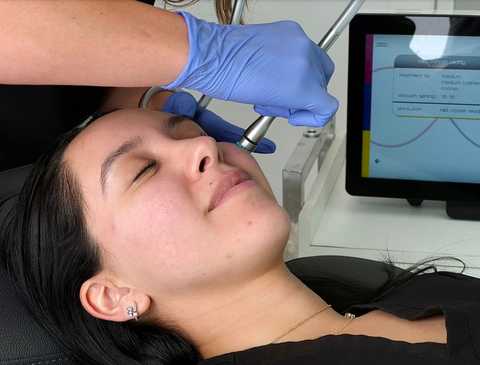
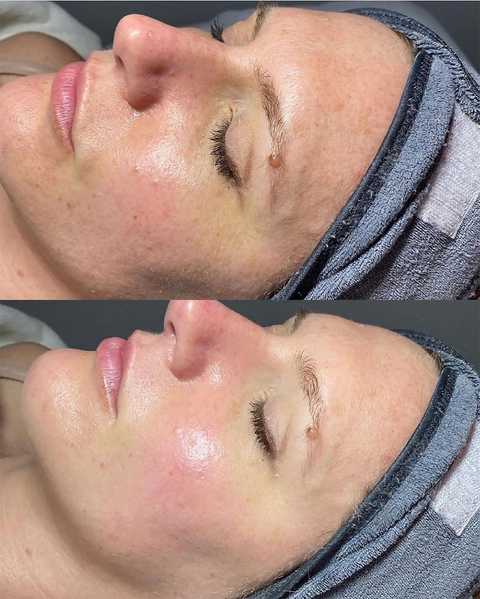
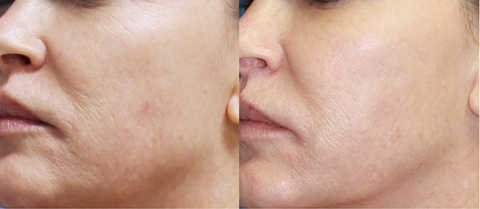
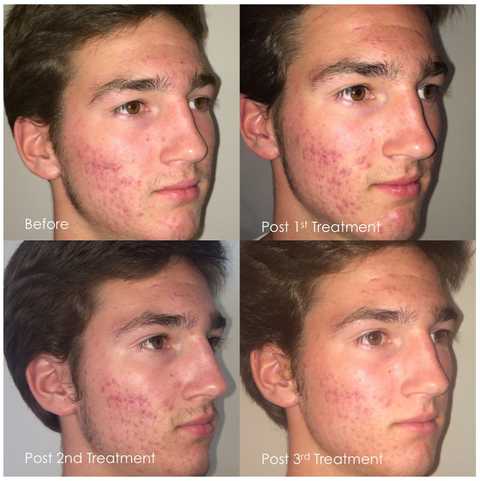
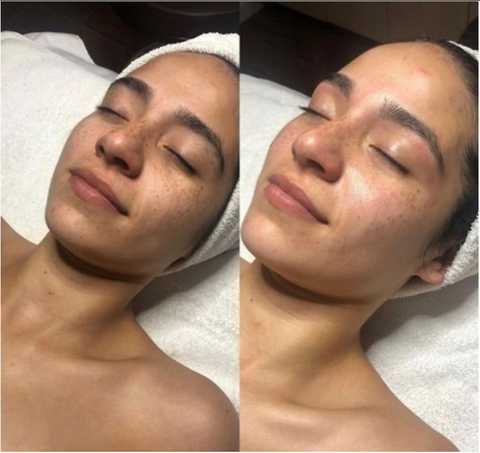
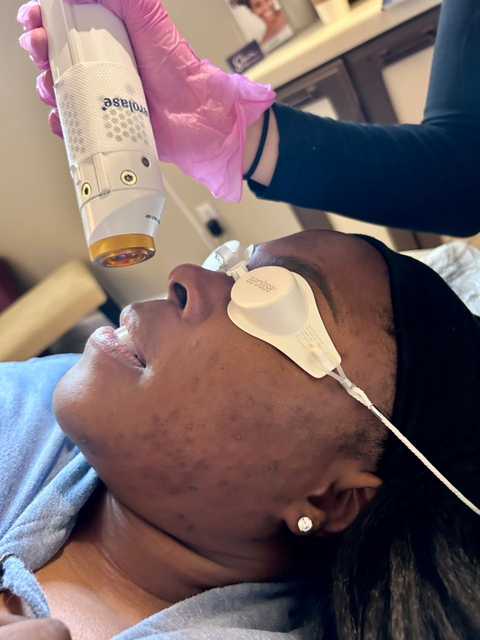
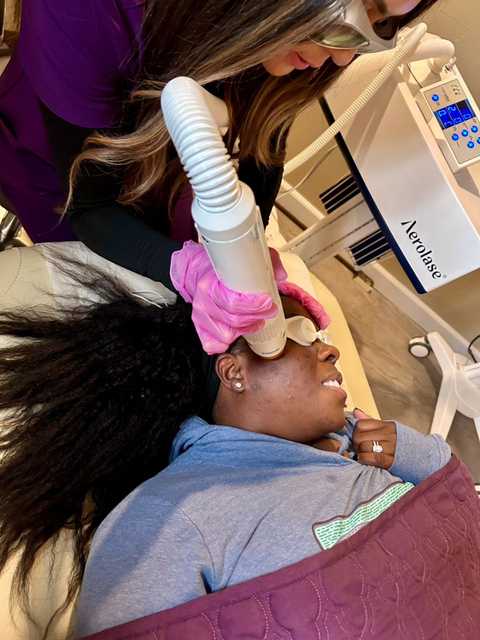
See examples of our Enzymatic Treatment work and results.





What Our Clients Say
$$MultiPurposeText$$
Read testimonials from our satisfied customers

I absolutely loved my service. Pricing was great for my service. The staff is amazing an...more

Beautiful place, very welcoming and charming. Kendyll did a wonderful job. I really enjoye...more

Very nice atmosphere. Relaxing and very impressed with the treatment and technician.

I had such a great experience at Skin R&R. From the moment I walked in, the atmosphere was...more

Staff was friendly and knowledgeable. I really appreciated their making me comfortable and...more

Professional and friendly staff. Thorough in walking me through the process, provided reco...more

Frequently Asked Questions
Get answers to common questions about Enzymatic Treatment.
Enzymatic treatments use natural enzymes to dissolve dead cells rather than strong acids. They’re generally gentler, with less irritation and downtime, providing surface renewal and glow. Deeper chemical peels penetrate more deeply and may require more recovery.
Most skin types tolerate enzymatic exfoliation well, including sensitive and acne-prone skin when performed correctly. Avoid treatment over active infections, open sores, or immediately after aggressive procedures. A consultation and patch test ensure safety and personalized suitability.
For most clients we recommend sessions every four to six weeks to encourage consistent cell turnover. A series of three to six treatments produces noticeable improvement, then maintenance appointments can be scheduled based on skin needs.
Minimal downtime is typical after treatment; mild redness, warmth, or flaking may last 24 to 72 hours. Most clients resume normal activities immediately while avoiding direct sun, and using SPF plus gentle, soothing skincare afterward.
Yes, enzymes accelerate surface cell renewal and can lighten superficial discoloration over multiple treatments. For deeper or stubborn hyperpigmentation, combining enzymatic sessions with topical brighteners or professional peels and strict sun protection yields better results.
Contraindications include active skin infections, open wounds, recent injectable procedures in the area, and use of systemic isotretinoin within the past six months. Inform staff of medications, pregnancy, or severe allergies for a safe, customized plan.